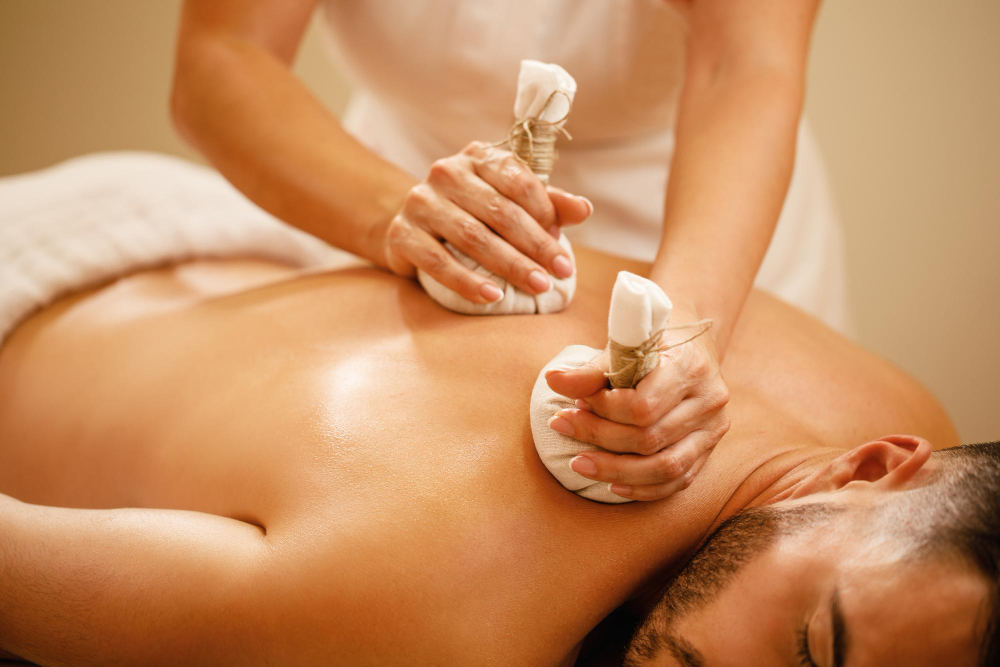
What is Panchakarma?
Panchakarma is a traditional Ayurvedic detox therapy. It comes from ancient Indian medicine. The word “Panchakarma” means “five actions” in Sanskrit. These five actions are special treatments to remove toxins from the body. Many people in India and around the world use Panchakarma for better health. In Ayurveda, Panchakarma is seen as a way to restore balance and promote healing.
The Five Main Types of Panchakarma
Panchakarma includes five main procedures. Each one targets different parts of the body. Here are the five types of Panchakarma:
Vamana (Therapeutic Vomiting): This process helps remove toxins from the stomach. It is often used for people with excess mucus or respiratory issues.
Virechana (Purgation): This therapy cleans the intestines. It uses herbal medicines to help flush out toxins through the bowels.
Basti (Medicated Enema): In this step, herbal oils or decoctions are given through the rectum. Basti is helpful for balancing the body’s systems and is often used for joint pain or digestive problems.
Nasya (Nasal Administration): This treatment involves putting herbal oils or powders into the nose. Nasya helps clear the head and neck area, and can relieve sinus or allergy symptoms.
Raktamokshana (Bloodletting): This is a controlled process to remove small amounts of blood. It is used to treat certain skin and blood-related conditions.
Benefits of Panchakarma
Panchakarma offers many possible benefits. While results can vary, people often report feeling lighter and more energetic. Some key benefits include:
Removes toxins from the body
Improves digestion and metabolism
Boosts immunity
Reduces stress and promotes relaxation
Supports weight management
Enhances skin health
Balances mind and body
According to the World Health Organization and Ayurvedic research, Panchakarma may help prevent some chronic diseases. However, more studies are needed to confirm all benefits.
What to Expect During Panchakarma Therapy
Before starting Panchakarma, a certified Ayurvedic practitioner will assess your health. They will choose the right therapies for your needs. Here is what you can expect:
Preparation: You may follow a special diet and take herbal oils to get your body ready.
Main Procedures: The five main Panchakarma therapies are done in a set order. Each session is supervised by trained staff.
Rest and Recovery: After the treatments, you will need time to rest. A light diet and gentle activities are recommended.
Most Panchakarma programs last from a few days to several weeks. The length depends on your health and the therapies chosen. Many centers in India offer Panchakarma packages with full support.
Safety, Precautions, and Contraindications
Panchakarma is generally safe when done by trained professionals. However, it is not for everyone. Here are some important points to consider:
Always consult a certified Ayurvedic doctor before starting Panchakarma.
People with certain health conditions, such as pregnancy, severe heart disease, or active infections, should avoid these therapies.
Some treatments may cause mild side effects, like tiredness or stomach upset. These usually go away quickly.
Choose a reputable center, especially if you are considering Panchakarma in India.
If you have any concerns, talk to your healthcare provider first. This will help ensure your safety and comfort during the Panchakarma procedure.
Frequently Asked Questions (FAQs)
Is Panchakarma painful?
Most people find Panchakarma gentle and relaxing. Some steps may feel unusual, but they should not hurt.
How long does Panchakarma take?
The full process can last from 7 to 21 days. Shorter programs are also available.
Can anyone do Panchakarma?
Not everyone is suited for Panchakarma. Children, pregnant women, and people with certain illnesses should avoid it.
Are there any side effects?
Some people may feel tired or have mild stomach issues. These effects are usually temporary.
Where can I get Panchakarma?
Many Ayurvedic centers in India and worldwide offer Panchakarma. Always choose a certified practitioner.
In summary, Panchakarma is a unique Ayurvedic detox therapy with many possible benefits. However, it is important to seek advice from a certified Ayurvedic practitioner. This will help you decide if Panchakarma is right for your health needs.
Consult a certified Ayurvedic practitioner to learn if Panchakarma is right for you.